Ground Pool Installation Cost vs Above-Ground Options: Comprehensive Cost and Maintenance Guide for Homeowners
Choosing a pool for your home comes down to more than looks — it’s about cost, upkeep, and how the pool fits your lifestyle. This guide walks you through the real differences between inground and above‑ground pools, covering installation prices, routine maintenance, and long‑term value. We’ll break down average inground costs in Fresno, compare above‑ground options, outline ongoing expenses, and call out the hidden costs to watch for so you can make a confident, budget‑smart decision.
What Are the Average Installation Costs for Inground Pools in Fresno?
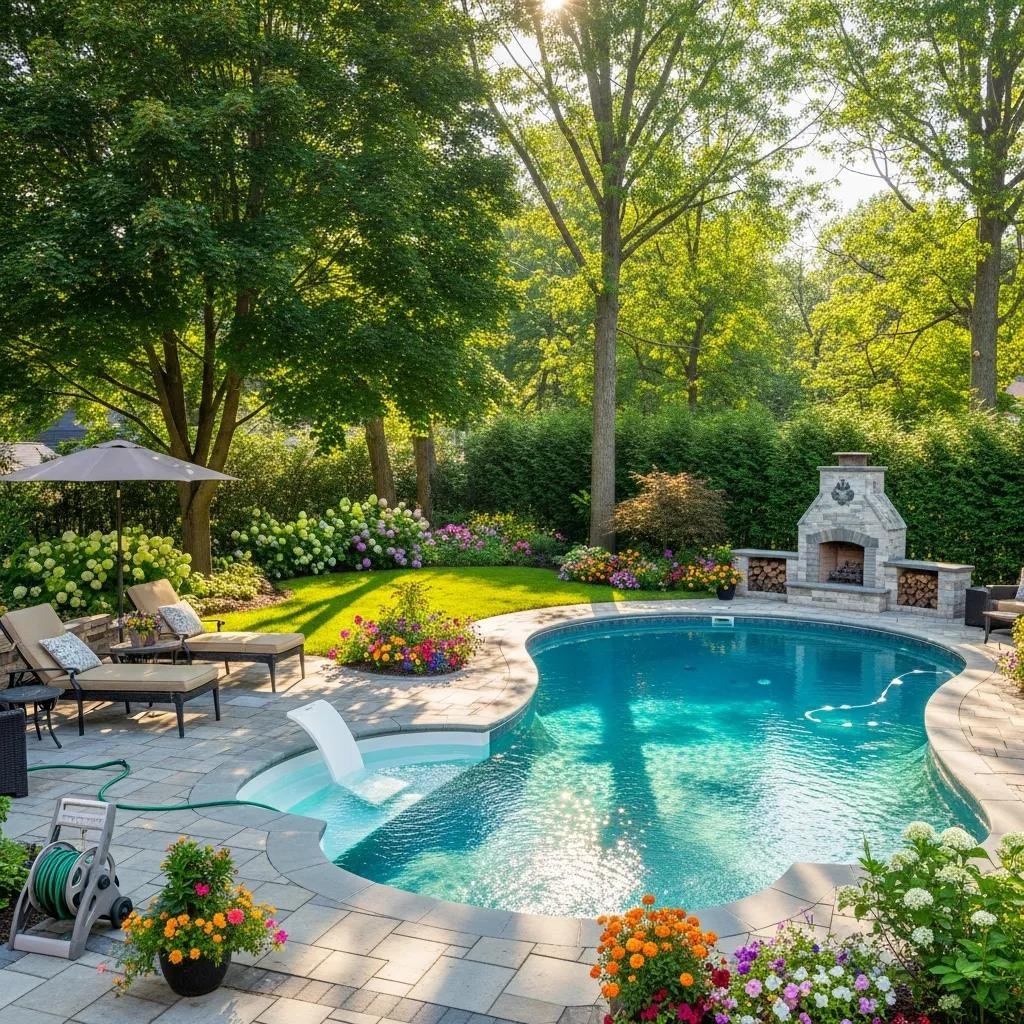
In Fresno, inground pool installation costs can swing widely depending on materials, design complexity, and local permits. Expect a typical range of $35,000 to $70,000 for a standard inground pool. Knowing what drives those numbers helps you budget more accurately and avoid surprises.
How Do Materials Affect Inground Pool Prices?
Material choice is one of the biggest cost drivers. Fiberglass, vinyl, and concrete each come with different price points, lifespans, and maintenance needs.
- Fiberglass Pools: Typically range from $30,000 to $60,000. They’re low‑maintenance and durable, which often reduces long‑term costs.
- Vinyl Liner Pools: Generally cost between $25,000 and $45,000. They start cheaper but liners usually need replacing every 7–15 years, adding to lifetime expenses.
- Concrete Pools: These can range from $40,000 to $70,000. Concrete offers the most customization but requires more upkeep and a longer build timeline.
What Are the Permit and Site Preparation Costs for Inground Pools?
Don’t forget permitting and site work. In Fresno, permit fees commonly range from $1,000 to $2,500. Excavation and grading for site preparation typically add another $3,000 to $6,000. Include these line items in your budget so the project stays on track.
How Do Above-Ground Pool Prices and Installation Compare?
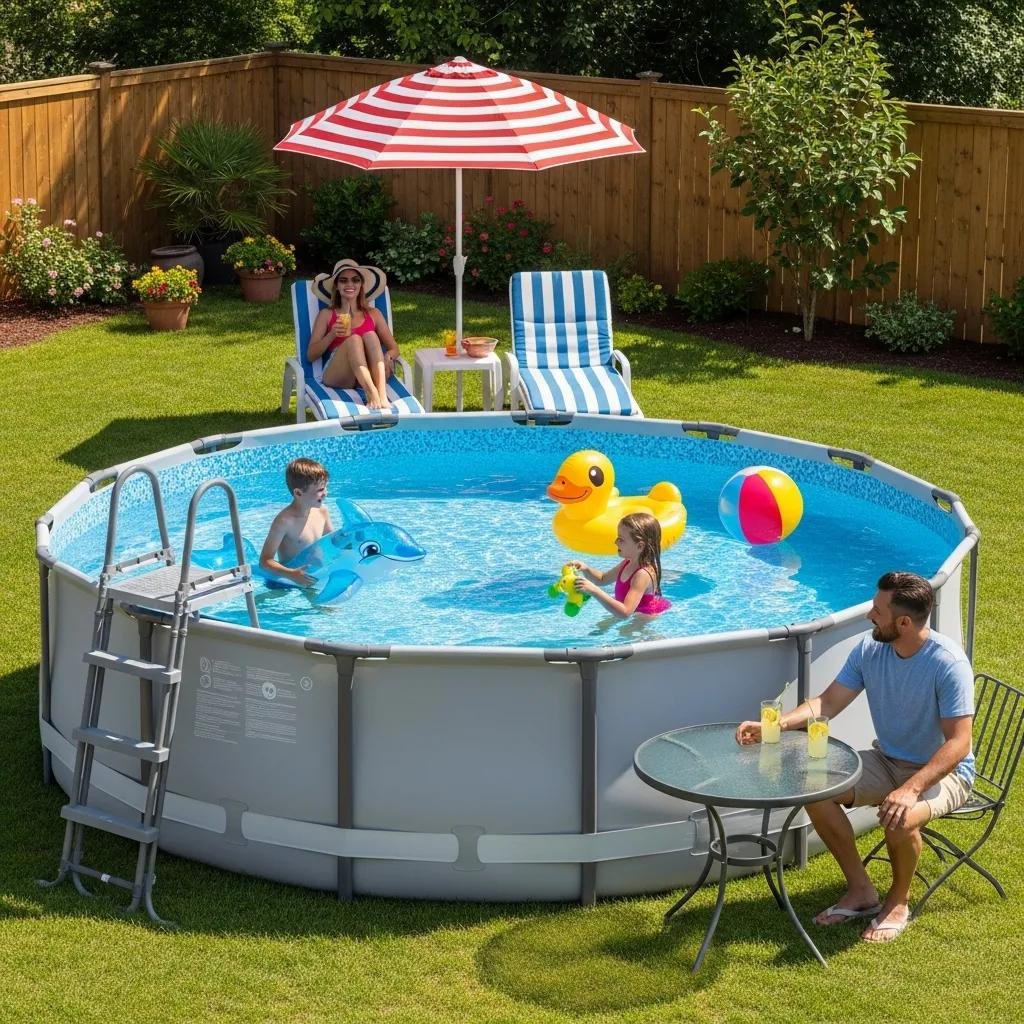
Above‑ground pools are the more budget‑friendly route, with installation typically between $1,500 and $4,500. They’re cheaper up front, but it’s important to weigh long‑term value and any extras you’ll want to add.
What Are the Cost Differences Between Above-Ground Pool Kits and Professional Installation?
Above‑ground pools can be a DIY project or professionally installed. DIY kits start around $1,500 but may require extra tools, ground prep, and landscaping. Hiring a pro usually costs $2,500 to $4,500 and gives you proper setup and code compliance.
- DIY Kits: Most affordable up front, but plan for additional costs if you need tools, a level site, or landscaping.
- Professional Installation: Costs more up front but reduces installation mistakes and ensures local regulations are met.
How Does Decking and Accessories Impact Above-Ground Pool Expenses?
An above‑ground pool’s footprint can be elevated with decking and accessories. A built deck can add $2,000 to $8,000 depending on size and materials. Don’t forget ladders, covers, and filtration upgrades — they’re small items that add up.
What Are the Long-Term Maintenance Costs for Inground vs Above-Ground Pools?
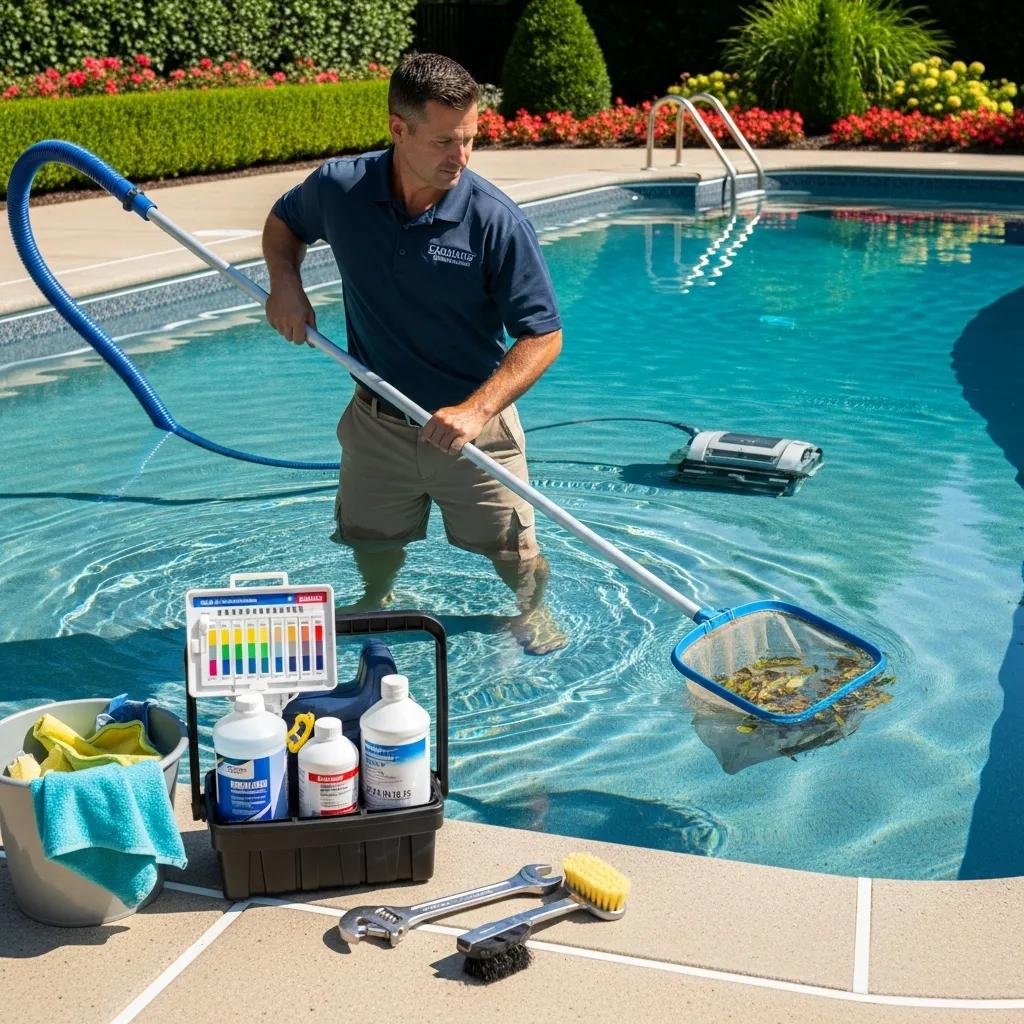
Maintenance is where ownership costs really add up. Because of size and systems, inground pools usually carry higher ongoing expenses than above‑ground pools.
How Does Professional Pool Cleaning and Chemical Balancing Affect Maintenance Budgets?
Hiring pros for cleaning and chemical balancing keeps water healthy and prevents costly repairs. Expect professional service to run about $100 to $350 per month, depending on pool size and service frequency. Regular care often pays off by extending equipment life and avoiding emergency fixes.
What Are the Equipment and Tile Cleaning Costs for Each Pool Type?
Equipment upkeep and tile cleaning vary by pool type. Inground pools commonly see equipment costs of $600 to $1,500 per year, plus $200 to $700 annually for tile cleaning. Above‑ground pools usually average $300 to $700 per year for equipment upkeep and need less frequent tile or surface cleaning.
How Do Pool Types Influence Property Value and Lifespan?
The pool you choose affects both resale value and how long the pool will serve your family. Inground pools are typically a longer‑term investment; above‑ground pools are more temporary by nature.
Does an Inground Pool Add More Value to Your Home Compared to Above-Ground?
Inground pools generally offer a bigger bump in property value. Real estate pros estimate an increase of about 5% to 8% in the right market. Above‑ground pools rarely add the same resale value and are often seen as removable or temporary.
What Is the Expected Lifespan and Durability of Each Pool Type?
Inground pools usually last 25 to 40 years depending on material and upkeep. Fiberglass often lasts longer with fewer repairs; vinyl and concrete can need more touchups. Above‑ground pools typically last 7 to 15 years, making them less durable for long‑term homeowners.
What Hidden Costs Should Homeowners Consider When Choosing a Pool?
Beyond installation, several ongoing or unexpected costs can affect the total price of ownership.
- Regular Maintenance Costs: Routine cleaning and service to keep systems running and prevent degradation.
- Chemical Balancing: Ongoing chemical purchases and monitoring to keep water safe and clear.
- Equipment Maintenance: Servicing pumps, filters, heaters, and chlorinators to avoid premature failures.
- Potential Repairs: Costs from neglected maintenance or accidental damage can be significant.
- Increased Utility Bills: Heating, filtration, and water top‑offs can raise energy and water bills if equipment isn’t efficient.
How Do Energy Consumption and Water Usage Affect Pool Ownership Expenses?
Energy and water use are steady drains on the budget if equipment is inefficient or maintenance slips. Efficient pumps, properly sized filters, and routine cleaning cut energy use and reduce water loss. Staying proactive with maintenance helps keep these recurring costs in check.
What Are Common Unexpected Repairs and How Can Professional Maintenance Help?
Unexpected issues often involve pump failures, filter problems, heater breakdowns, and chlorinator faults. Regular professional maintenance spots wear early, addresses small fixes before they escalate, and lowers the chance of costly emergency repairs.
How Can Professional Maintenance Services from Cen Cal Pool Pros Save You Money?
At Cen Cal Pool Pros, our routine maintenance focuses on prevention. Keeping equipment tuned and water balanced reduces repair bills, prevents algae and corrosion issues, and helps your systems run more efficiently — all of which lower long‑term costs and keep your pool ready to enjoy.
What Pool Cleaning and Chemical Balancing Services Are Offered in Fresno?
In Fresno, Cen Cal Pool Pros provides a full range of services to keep your pool healthy and reliable:
- Chemical Balancing: We keep pH, chlorine, alkalinity, and calcium hardness in the right ranges to protect water quality, prevent scale and corrosion, and make swimming comfortable.
- Regular Pool Cleaning: Weekly or scheduled cleanings remove debris, control bacteria, and maintain balanced chemistry so equipment lasts longer and water stays clear.
- Pool Tile Cleaning – Sandblasting: A targeted method to remove stubborn calcium, algae, and stains from tile and stone without damaging the pool finish.
- Equipment Maintenance: Routine checks and servicing of pumps, filters, heaters, and chlorinators to keep systems efficient and avoid surprise failures.
How Does Regular Equipment Maintenance Extend Pool Lifespan and Reduce Costs?
Regular maintenance keeps pumps, filters, heaters, and chlorinators working efficiently, which prevents premature failures and expensive replacements. It also stabilizes water chemistry, lowers energy use, and cuts down on frequent chemical fixes — saving you time and money while keeping the pool ready for use.