
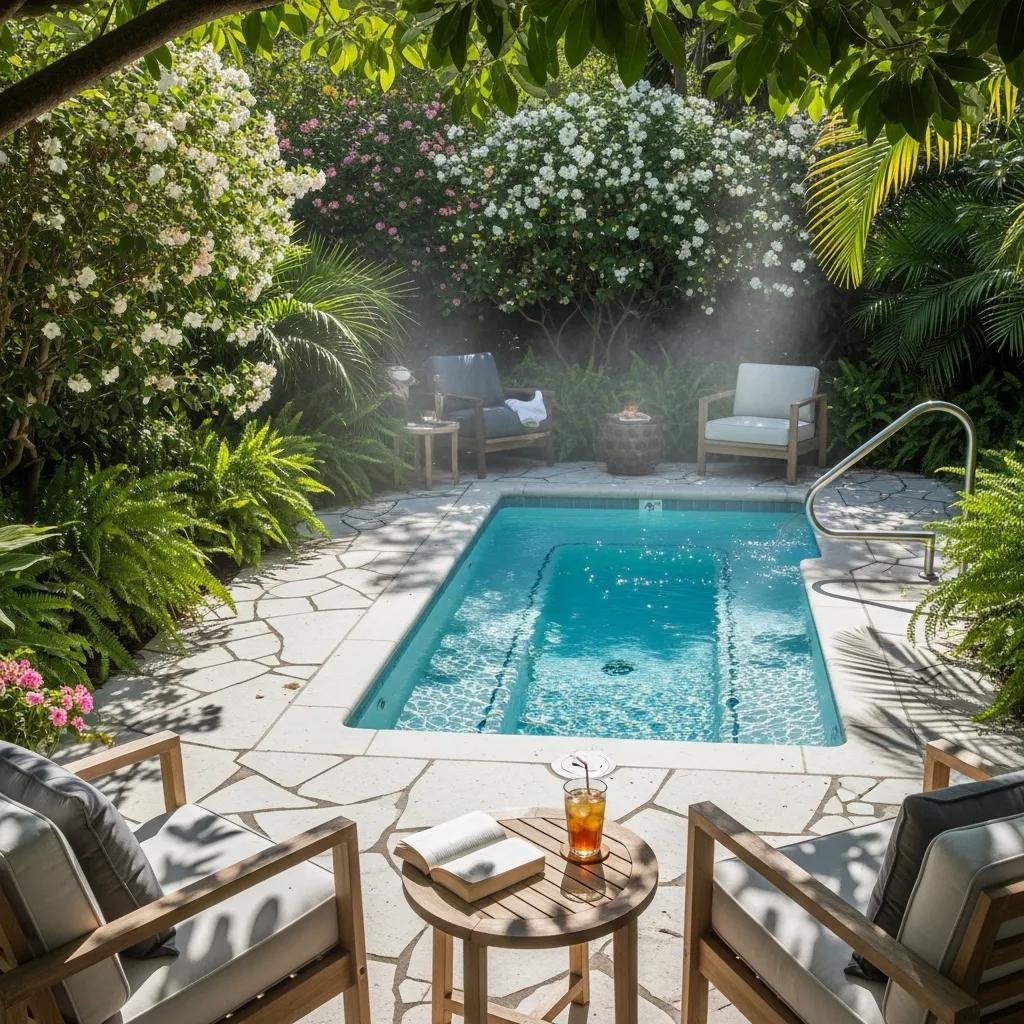
Pool & Spa Maintenance Essentials: Cleaning, Water Care, and Simple Repairs
Keeping your pool or spa clean and well‑maintained protects health, prolongs equipment life, and makes every soak more enjoyable. Regular cleaning, careful water treatment, and routine equipment checks all contribute to clearer water and fewer surprises. This guide covers practical cleaning steps, water‑chemistry basics, and straightforward maintenance tips so your spa stays safe, reliable, and ready when you are. Many owners find upkeep confusing—left unchecked it can lead to safety hazards and costly repairs—so follow these recommendations to keep your spa a relaxing oasis. We outline cleaning routines, water treatment practices, equipment care tips, and when to call a professional.
How to Clean Your Spa Effectively
Consistent cleaning prevents debris and contaminants from building up, protecting water quality and user safety. The process is straightforward when you follow a routine and use the right tools. Below are the core steps to clean a spa thoroughly.
Step-by-step: Cleaning your spa
To clean your spa thoroughly, follow these steps:
- Gather the right tools: Have a skimmer net, a suitable vacuum, a spa brush, and the cleaning chemicals you’ll need.
- Drain and scrub the spa: Drain the water and use a spa brush to scrub the shell—walls and floor—to remove dirt, oils, and any algae.
- Refill and balance the water: Refill with fresh water, then add and adjust chemicals to restore proper water chemistry.
Following this routine keeps your spa hygienic and reduces health risks associated with poorly maintained water.
Best cleaning tools and products for spas
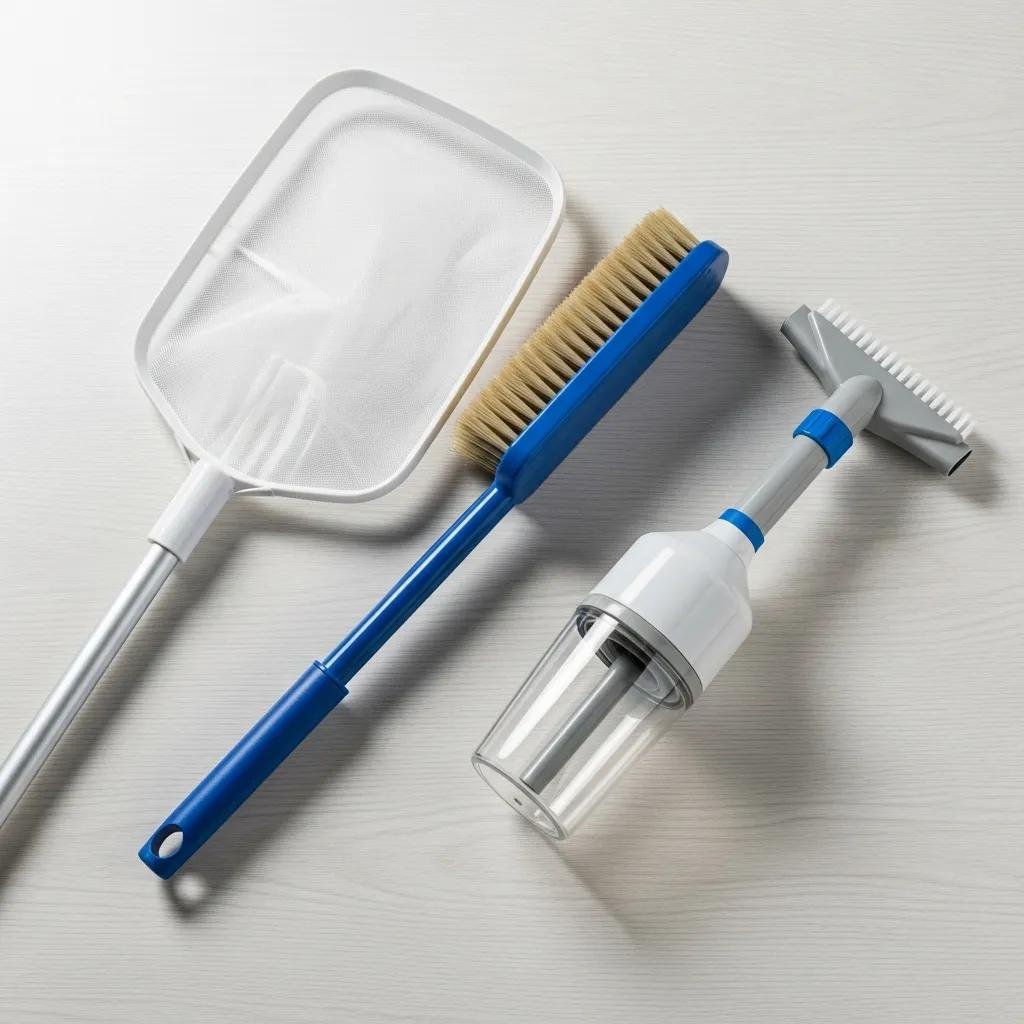
A few targeted tools make cleaning faster and more effective. We recommend the following essentials:
- Spa brush: Use a durable brush made for spa surfaces to loosen stubborn residue and biofilm.
- Skimmer net: Ideal for removing floating debris like leaves and insects before they sink or clog the filter.
- Spa vacuum: A manual or powered vacuum helps clear the bottom of the spa so no grit is left behind.
Paired with the right cleaning chemicals, these tools help you maintain clear water and a clean shell with less effort.
Spa Water Care: Best Practices
Balanced water is essential for comfort and safety. Regular testing and adjustments prevent algae, cloudy water, and skin irritation—so a little routine attention pays off.
How chemicals help keep spa water safe
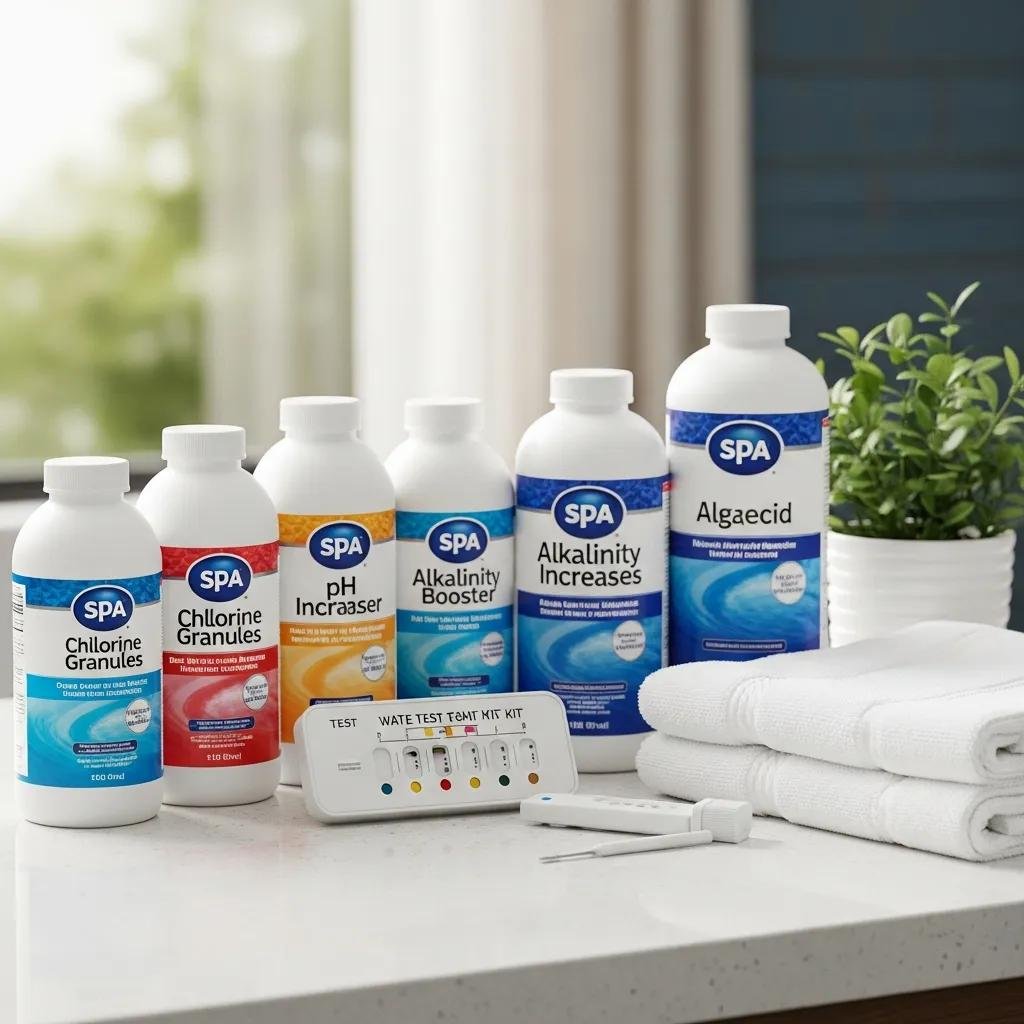
Here are the common chemicals used and what each one does:
- Chlorine: A disinfectant that kills harmful bacteria and viruses to keep the water safe for bathers.
- pH balancers: These adjust the water’s acidity or alkalinity so it’s gentle on skin and protects equipment from corrosion.
- Algaecides: Used to prevent algae growth and help keep water clear between cleanings.
When used as directed, these products maintain safe, comfortable water for regular use.
How often to test your spa water
Test your spa water at least 2–3 times per week when the spa is in frequent use—check pH, free chlorine, and alkalinity. Cloudy water, skin irritation, or unusual odors are signs the balance is off. If you notice any of those, make adjustments right away to restore proper water quality.
Research also highlights how operator training improves water‑chemistry outcomes, underscoring the value of certified expertise.
Impact of Certified Operators on Pool & Spa Water Chemistry
This study compared YMCA facilities managed by certified POOL operators with those managed by noncertified staff, examining pH, Langelier Saturation Index (LSI), and chlorine levels (free and combined). Using a convenience sample of 572 pools and spas across roughly 250 YMCAs, the research analyzed compliance with pH, free chlorine, combined chlorine, and LSI standards. Results show the POOL certification produced measurable differences in pH levels, combined‑chlorine levels, and compliance with combined‑chlorine standards (p < .05). The findings indicate certification contributes to improved care of pools and spas in these settings. Certified operators: Does certification provide significant results in real-world pool & spa chemistry?, 2007
Maintaining and Repairing Your Pool & Spa Equipment
Regular maintenance and timely repairs keep systems running efficiently and prevent small issues from becoming costly problems. Preventive care goes a long way toward reliable performance and longer equipment life.
Common repair issues and quick fixes
Frequent problems to watch for include:
- Leaking water: Often caused by worn seals or loose fittings—inspect these parts and replace faulty components.
- Heating problems: If the heater won’t reach temperature, check the thermostat, heating element, and power supply for faults.
- Filtration issues: A clogged or dirty filter reduces water clarity—clean or replace filters on the recommended schedule.
Address issues early to prevent bigger damage and keep the spa operating efficiently.
Maintaining heaters and filters
Key practices to keep heaters and filtration systems working well include:
- Regular cleaning: Clean filters and remove debris around heater components to maintain flow and efficiency.
- Inspect for damage: Check seals, plumbing, and electrical connections for wear and replace parts as needed.
- Professional servicing: Schedule a professional inspection and tune‑up at least once a year to catch issues you might miss.
These steps help extend equipment life, improve performance, and reduce running costs.
Why regular service matters for safety and lifespan
Professional service identifies problems before they escalate, helping your spa stay safe, efficient, and dependable. Routine checks from a trained technician are an investment in longevity and peace of mind.
How professional service improves energy efficiency
Well‑maintained equipment runs more efficiently, uses less energy, and tends to last longer. Regular servicing can lower utility costs and delay expensive replacements.
Essential safety practices for spa owners
Follow these basic safety standards to protect users and property:
- Regular inspections: Routinely check covers, handrails, steps, and equipment for hazards or damage.
- Chemical safety: Store and handle chemicals according to the label—keep them locked and out of reach of children.
- User education: Remind users to avoid bathing alone, monitor water temperature, and limit soak times for safety.
Following these guidelines helps ensure every spa session is both safe and enjoyable.