
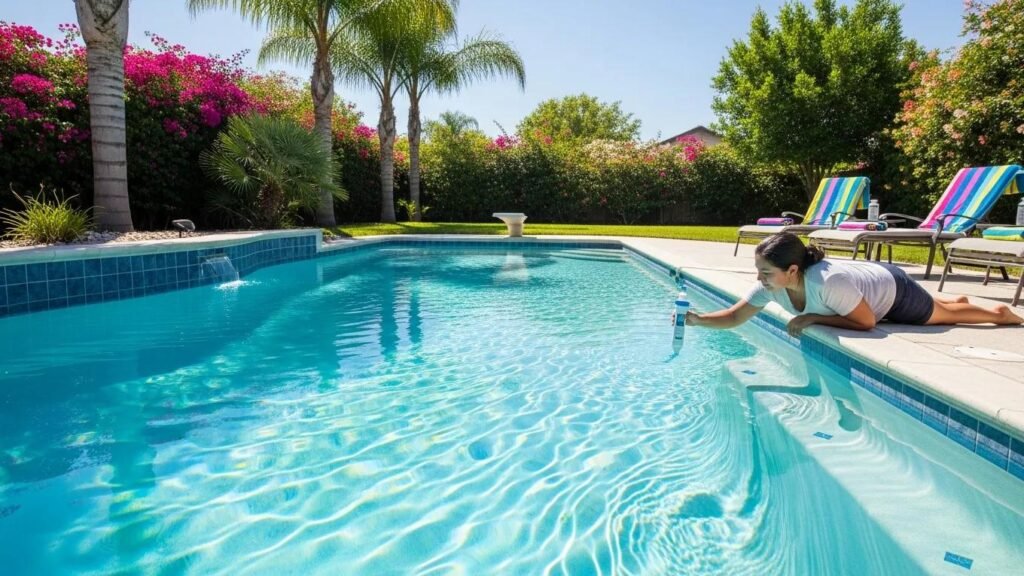
Traditional Chlorine Pool Maintenance Guide: How to Safely Maintain Optimal Pool Chlorine Levels
Maintaining optimal chlorine levels in your pool is essential for ensuring a safe and enjoyable swimming experience. Chlorine plays a crucial role in sanitizing pool water, preventing the growth of harmful bacteria and algae. This guide will provide you with comprehensive methods, safety precautions, and best practices for traditional chlorine pool maintenance. Many pool owners struggle with maintaining the right balance of chlorine, which can lead to water quality issues and health risks. By following the strategies outlined in this article, you can effectively manage your pool’s chlorine levels and enjoy a clean swimming environment. We will cover methods for maintaining chlorine levels, safety precautions, ideal chlorine levels, shock treatment procedures, a weekly maintenance checklist, seasonal adjustments, and the benefits of professional services.
Methods for Maintaining Chlorine Levels:
Maintaining proper chlorine levels in your pool involves several key methods that ensure water remains clean and safe for swimming. Regular testing of water chemistry is essential to determine the current chlorine levels and make necessary adjustments. Additionally, adjusting chlorine levels as needed and performing shock treatments are vital practices to keep your pool water balanced and free from contaminants.
- Regular Testing: Use chlorine testing kits to check levels at least twice a week, especially during peak swimming seasons.
- Adjusting Chlorine Levels: If levels are too low, add chlorine tablets or liquid chlorine to raise them. Conversely, if levels are too high, allow the chlorine to dissipate naturally or dilute with fresh water.
- Shock Treatments: Perform shock treatments regularly, especially after heavy use or rain, to eliminate contaminants and restore chlorine levels.
Safety Precautions:
When handling pool chemicals, safety should always be a priority. Proper precautions can prevent accidents and ensure safe pool maintenance practices.
- Use Protective Gear: Always wear gloves and goggles when handling chlorine to protect your skin and eyes from irritation.
- Proper Storage of Chemicals: Store chlorine in a cool, dry place away from direct sunlight and out of reach of children and pets.
- Avoid Chemical Mixing: Never mix different pool chemicals, as this can lead to dangerous reactions and release harmful gases.
Best Practices for Effective Pool Care:
Implementing best practices in pool care can significantly enhance the longevity and cleanliness of your pool.
- Routine Cleaning Tasks: Regularly skim the surface, vacuum the pool floor, and brush the walls to remove debris and prevent algae growth.
- Equipment Maintenance: Ensure that your pool filter and pump are functioning correctly and clean them as needed to maintain optimal water circulation.
- Seasonal Adjustments: Adjust your maintenance routine based on seasonal changes, such as increasing chlorine levels during hot summer months.
What Are the Ideal Chlorine Levels for a Safe and Clean Pool?
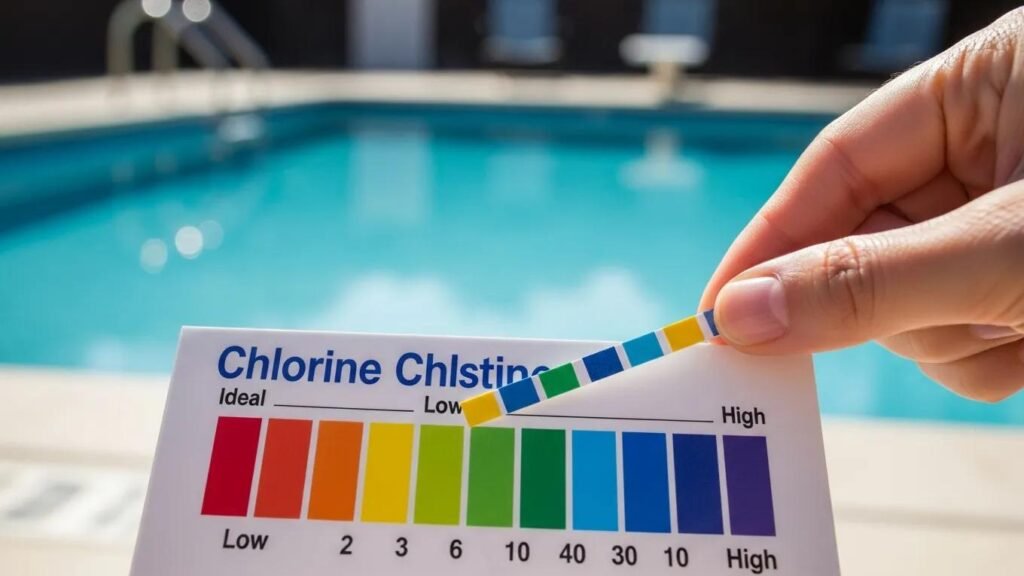
Maintaining the right chlorine levels is crucial for pool safety and cleanliness. The ideal range for free chlorine in swimming pools is typically between 1.0 to 3.0 parts per million (ppm).
How to Test and Monitor Pool Chlorine Levels Regularly
To ensure your pool remains safe, testing chlorine levels should be a regular part of your maintenance routine. Use a reliable chlorine testing kit to measure levels accurately. Testing should be done at least twice a week, and more frequently during peak usage times.
Understanding Chlorine Chemistry and Its Role in Pool Care
Chlorine works by breaking down contaminants and killing bacteria through a process called oxidation. Understanding the chemistry behind chlorine helps pool owners appreciate its importance in maintaining water quality. Properly balanced chlorine levels not only keep the water safe but also enhance the effectiveness of other pool chemicals.
Further emphasizing the importance of chlorine, one guide highlights how much of pool water chemistry revolves around its proper addition.
Pool Water Chemistry: Chlorine Addition Guide
of pool water chemistry is confined only to chlorine addition
A Guide to Swimming Pool Maintenance and Filtration Systems: An Instructional Know-How on Everything You Need to Know, 2022
How to Perform Shock Treatment for Effective Pool Maintenance
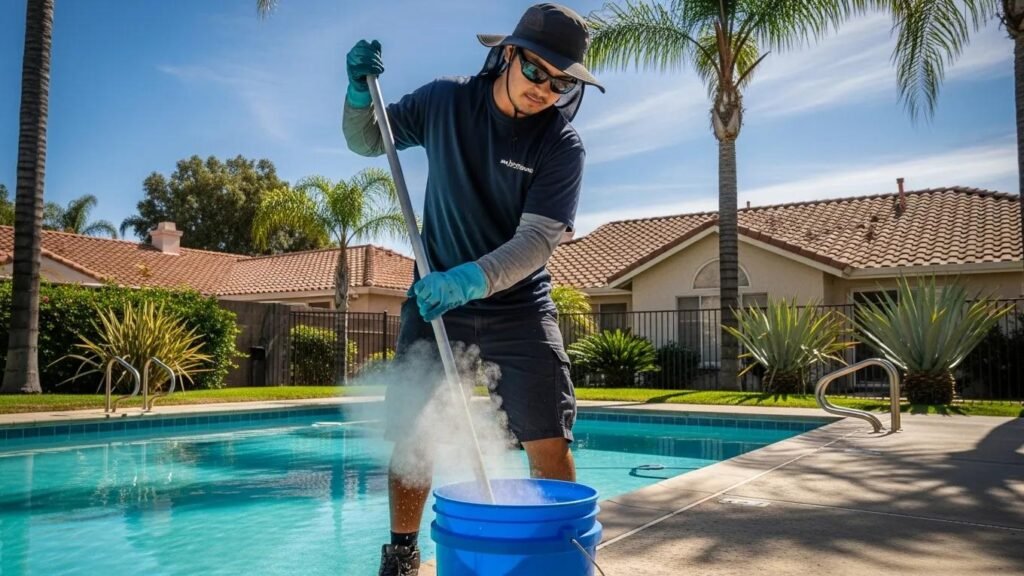
Shock treatment is a critical process in pool maintenance that helps to quickly raise chlorine levels and eliminate contaminants.
- When and Why Should You Shock Your Chlorine Pool?: Shock your pool after heavy usage, rainstorms, or when you notice cloudy water. This process helps to restore clarity and safety to your pool.
- Step-by-Step Guide to Safe and Proper Shock Treatment:Test the water to determine the current chlorine level.Calculate the amount of shock needed based on your pool size.Dissolve the shock in a bucket of water before adding it to the pool.Distribute the shock evenly around the pool and allow the pump to run for at least 24 hours.
What Is the Weekly Chlorine Pool Care Checklist for Homeowners?
A weekly checklist can help homeowners stay on top of their pool maintenance tasks and ensure balanced chlorine levels.
Essential Routine Tasks to Maintain Balanced Chlorine Levels
- Test Water Chemistry: Check chlorine and pH levels.
- Add Chlorine: Adjust chlorine levels as needed based on test results.
- Clean Pool: Skim, vacuum, and brush the pool surfaces.
Common Mistakes to Avoid in Weekly Pool Maintenance
- Neglecting Testing: Failing to test water regularly can lead to imbalanced chlorine levels.
- Skipping Cleaning: Regular cleaning is essential to prevent algae and debris buildup.
- Ignoring Equipment Maintenance: Ensure that filters and pumps are regularly checked and maintained.
How Should Seasonal Pool Maintenance Be Adjusted for Fresno, CA?
Seasonal changes can significantly impact pool maintenance routines, especially in regions like Fresno, CA, where temperatures can vary greatly.
Adapting Chlorine Levels and Treatments to Fresno’s Climate
In the hot summer months, chlorine levels may need to be increased due to higher evaporation rates and increased pool usage. Regular testing and adjustments are crucial during this time.
Preparing Your Pool for Seasonal Changes and Algae Prevention
Before the winter months, ensure that your pool is properly winterized. This includes lowering the water level, adding winterizing chemicals, and covering the pool to prevent debris accumulation.
What Are the Benefits of Professional Chlorine Pool Maintenance Services in Fresno?
Hiring a professional service can provide numerous benefits for pool owners, ensuring that your pool remains in top condition.
- Cost-Effectiveness: Professional services can save you money in the long run by preventing costly repairs due to neglect.
- Expertise: Professionals have the knowledge and experience to handle complex pool maintenance tasks effectively.
- Time Savings: Outsourcing maintenance allows you to enjoy your pool without the hassle of upkeep.
How Local Expertise Enhances Pool Water Quality and Equipment Life
Local professionals understand the specific challenges posed by Fresno’s climate and can tailor maintenance plans accordingly. Their expertise ensures that your pool remains clean and safe throughout the year.
Booking and Customizing Personalized Chlorine Pool Care Plans
For those interested in professional services, booking a personalized maintenance plan can be straightforward. Many companies offer tailored solutions that fit your specific needs, ensuring optimal chlorine levels and overall pool health.